


Careers in Psychology (Bachelor’s OR Master’s Degree)
Psychology, believe it or not, has a wide variety of career opportunities for you. A lot of people fall under the impression that you have to become a counselor or…
Full Article
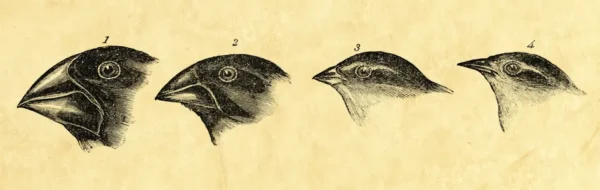
Natural selection is an evolutionary process whereby a species adapts to better suit its environment. This leads to the reproduction of the specific characteristic and the loss of organisms that do not share it.
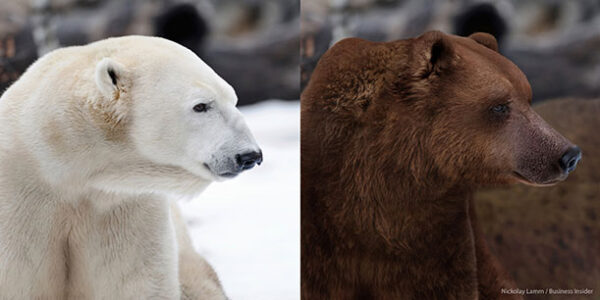
A primary example of natural selection in polar bears is the evolution of white, pigment-free fur. This adaptation is critical to polar bears’ survival. It serves as camouflage, allowing them to hunt more effectively by blending into their surroundings.
In the image below you can see some how brown bears and polar bears adapted to their respective environments.
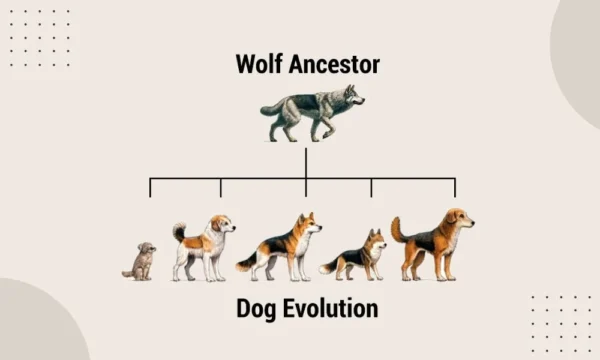
Artificial selection, also known as selective breeding, is the process where humans choose specific traits such as size and color, then breeding only those traits. This process mirrors natural selection, but instead of nature determining which traits are most useful for survival, humans decide which traits they want to reproduce.
A good example to help you understand is dog breeding. Initially, all dog breeds originated from ancestral wolves, but through selective breeding for traits like hunting, companionship, or guarding, some wolves have evolved to become dogs. These animals are then domesticated and shaped by humans, rather than natural selection.
To conclude, the difference between natural selection and artificial selection is whether the reproduction of a species is due to survival or human pressures. Natural selection follows a naturally occurring evolution which allows for species to live. Whereas artificial selection is unnatural and is guided by human means.
Psychology, believe it or not, has a wide variety of career opportunities for you. A lot of people fall under the impression that you have to become a counselor or…
Full ArticleOne of the many benefits of an organizational leadership degree is how versatile it can be. Leadership is a highly valuable skill that will give you a great deal of…
Full ArticleIn this article, we’ll go over the steps to become a psychologist, including timeframes, key steps, and some careers options! How Long Does…
Full Article