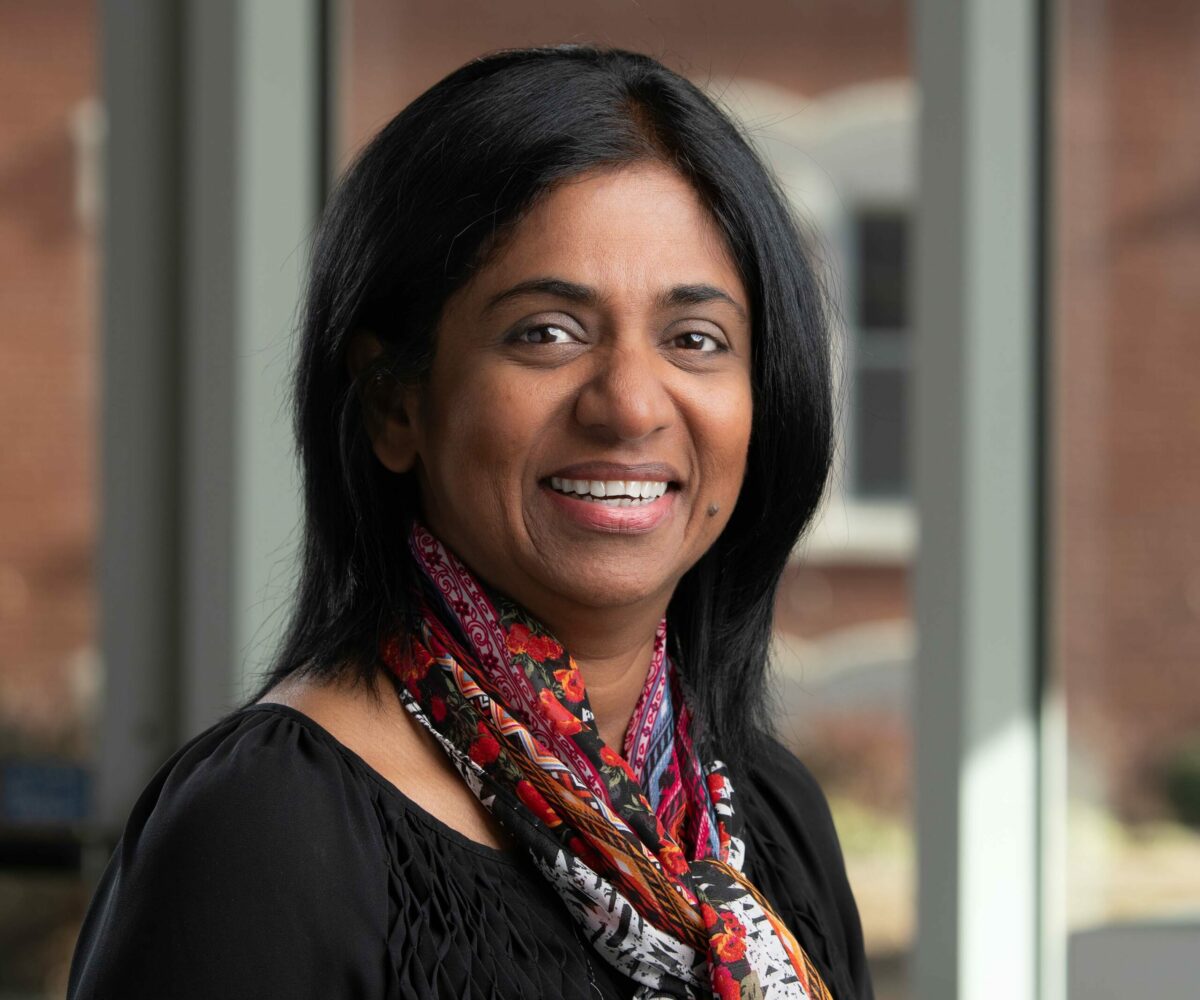
Dr. Ganga Fernando
Professor of Chemistry
Cottey offers a minor in chemistry.
Chemistry is often called the central science because it bridges the physical and life sciences, connecting disciplines such as biology, physics, geology, environmental science, engineering, materials science, and medicine. It is the study of matter—its composition, properties, and transformations—and provides the foundation for understanding the natural world and developing innovative solutions to real-world challenges.
The Chemistry minor at Cottey College is designed to provide students with a comprehensive introduction to the major areas of modern chemistry, including general, organic, biochemistry, and analytical chemistry. Through rigorous coursework and extensive laboratory experience, students develop strong analytical, quantitative, and problem-solving skills that are highly valued across a wide range of scientific and professional fields.
Whether you plan to pursue a career in healthcare, environmental science, biotechnology, pharmaceuticals, forensic science, chemical engineering, or scientific research, the Chemistry minor provides the knowledge and practical experience needed for success. It also serves as excellent preparation for graduate and professional programs in chemistry and related disciplines, equipping students with a solid scientific foundation and valuable hands-on research experience.
Presents basic chemical principles that are the foundation for future chemistry and related courses. The first semester course emphasizes atomic and molecular structure; stoichiometry; properties of solids, liquids, and gases; acid-base theory and solutions.
The second semester course (CHE 212, General Chemistry 2) emphasizes chemical thermodynamics and equilibria, electrochemistry, kinetics and mechanisms of chemical reactions, and the relationship of structure to physical and chemical properties.
This course presents the foundations of organic chemistry.
The first semester emphasizes structure, bonding, conformations, stereochemistry, thermodynamics, kinetics and reactivity, including acid-base and nucleophilic substitution reactions. Includes mass spectrometry and UV-visible, infrared, and nuclear magnetic resonance spectroscopy.
The second semester (CHE 322, Organic Chemistry 2) emphasizes increasingly complex organic reactions, including nucleophilic addition and substitution, carbon-carbon bond forming, and radical and redox reactions with applications to biological molecules.
The lecture portion presents equilibria, volumetric and gravimetric techniques, spectrophotometry, electrochemistry, and chromatographic/separation techniques important to analytical chemistry.
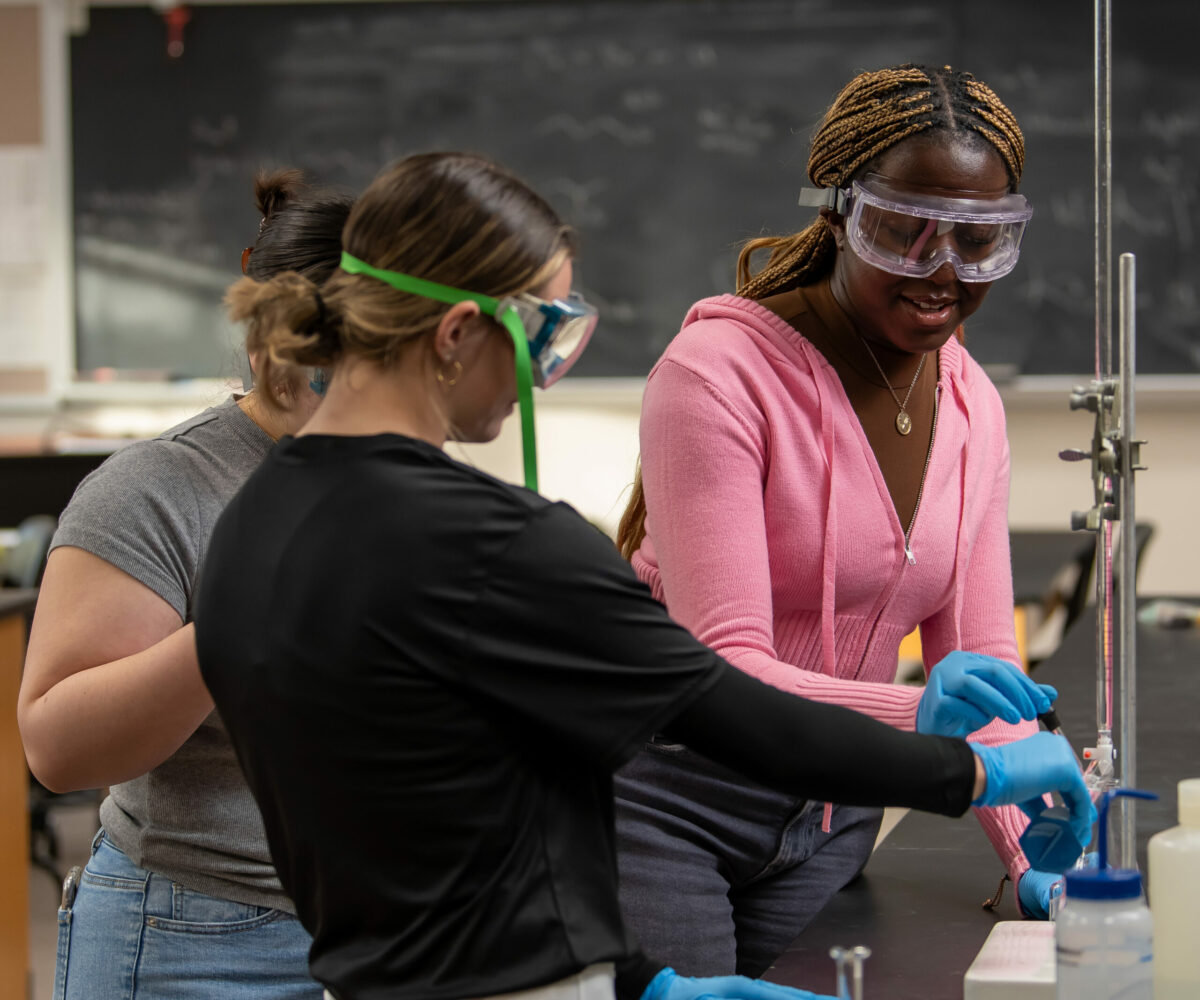
The laboratory portion covers techniques/hands-on experience in quantitative analysis, including Titrimetry, Gravimetry, FT-IR spectroscopy, UV-Vis Spectroscopy, Flame Atomic Absorption Spectroscopy, Gas Chromatography, and basic volumetric methods. Six hours per week.
The first semester course introduces the basics of biochemistry, including the structure and function of biomolecules, enzyme kinetics, bioenergetics, and metabolic pathways.
The Advanced Biochemistry course (CHE 410, Biochemistry 2) covers the chemistry and function of biologically relevant macromolecules and small molecules and their implications in cellular function, physiology, signaling, and metabolism.
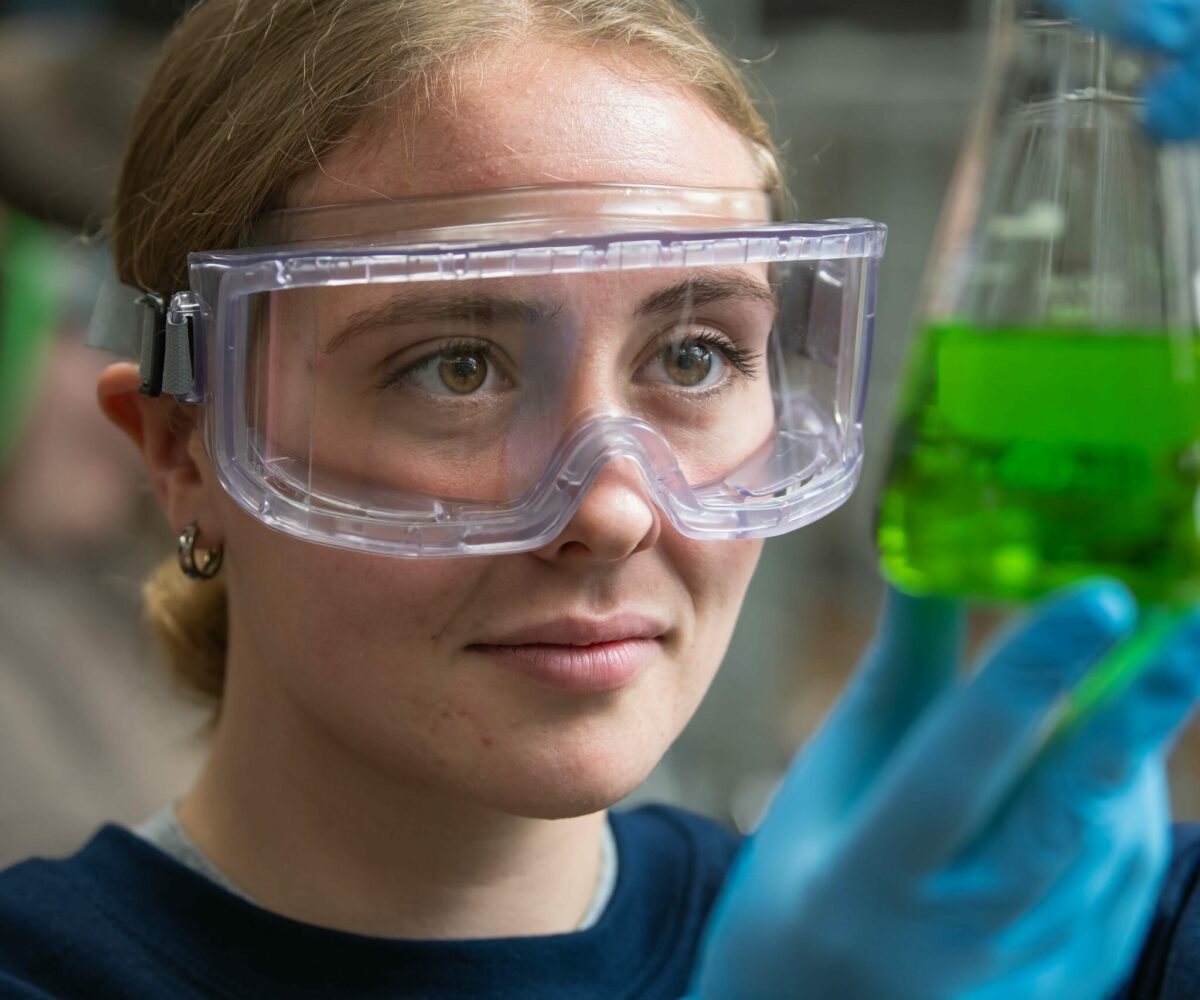
The Chemistry minor at Cottey College provides students with extensive hands-on laboratory experience and a strong foundation in modern chemical science. Students complete major-level courses in Organic Chemistry, Analytical Chemistry, and Biochemistry, each accompanied by a laboratory component. These upper-level courses; lecture and lab sections, are taught by faculty members who hold terminal degrees in their respective disciplines and are offered in small classes with an average student-to-faculty ratio of approximately 6:1, ensuring individualized instruction and mentoring.
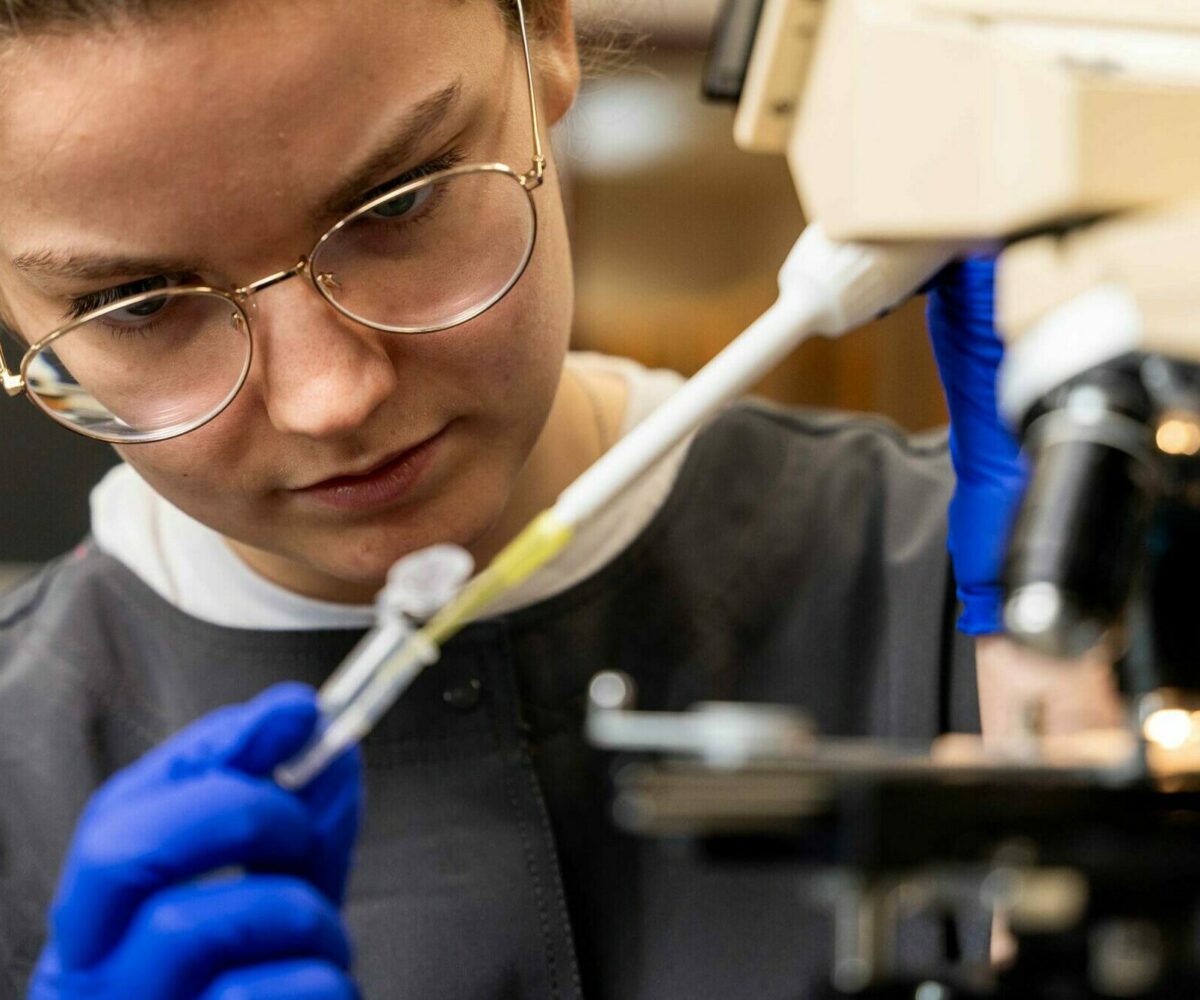
Students gain early experience using research-grade analytical instrumentation, including FT-IR, UV-Visible, Atomic Absorption (AA), and NMR spectrometers. Use of these instruments often begins in their first or second year. They also have the opportunity to engage in faculty-mentored undergraduate research as early as the second semester of their first year, allowing them to develop valuable laboratory, analytical, and problem-solving skills.
The chemistry curriculum emphasizes modern chemical principles, instrumental analysis, emerging technologies, and statistical methods for data analysis. The Chemistry minor also complements several degree programs at Cottey College, including the B.S. in Biochemistry and Molecular Biology, B.S. in Biology, B.S. in Psychology, and the B.A. in Environmental Studies.
Professor of Chemistry
Assistant Professor of Biology and Chemistry
Assistant Professor of Chemistry